Be the first to know about offers, programs, course updates, and regulatory changes.
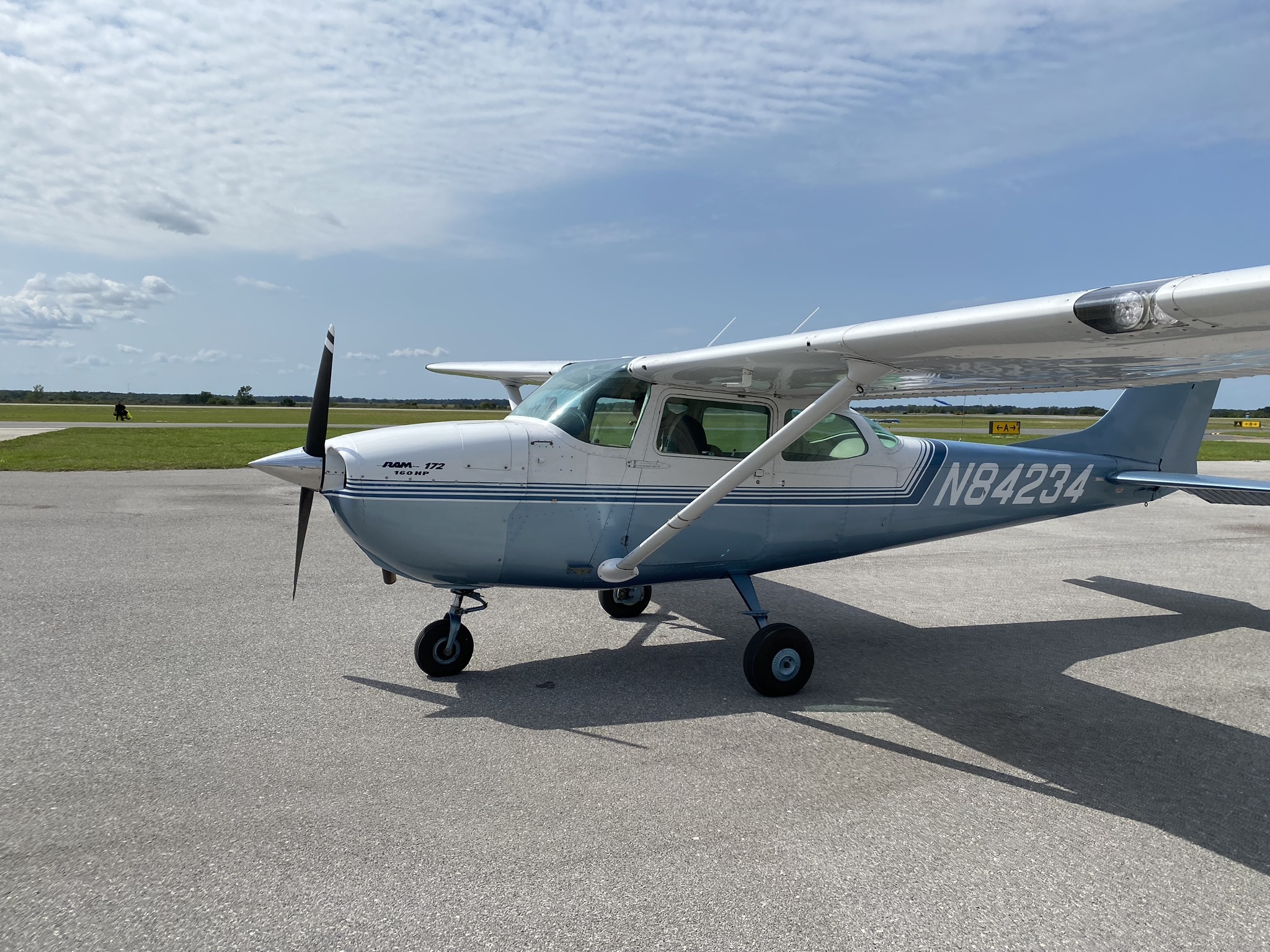
Fun Flight Training is a veteran-owned flight school dedicated to providing safe, professional, and comprehensive flight instruction. With over 20 years of aviation experience, our team is committed to developing confident, capable pilots through thorough training. We believe great pilots are built through solid fundamentals, clear communication,and real world preparation. Whether you are just beginning your journey or are advancing your aviation career, our goal is to provide high quality instruction in a supportive, professional environment.
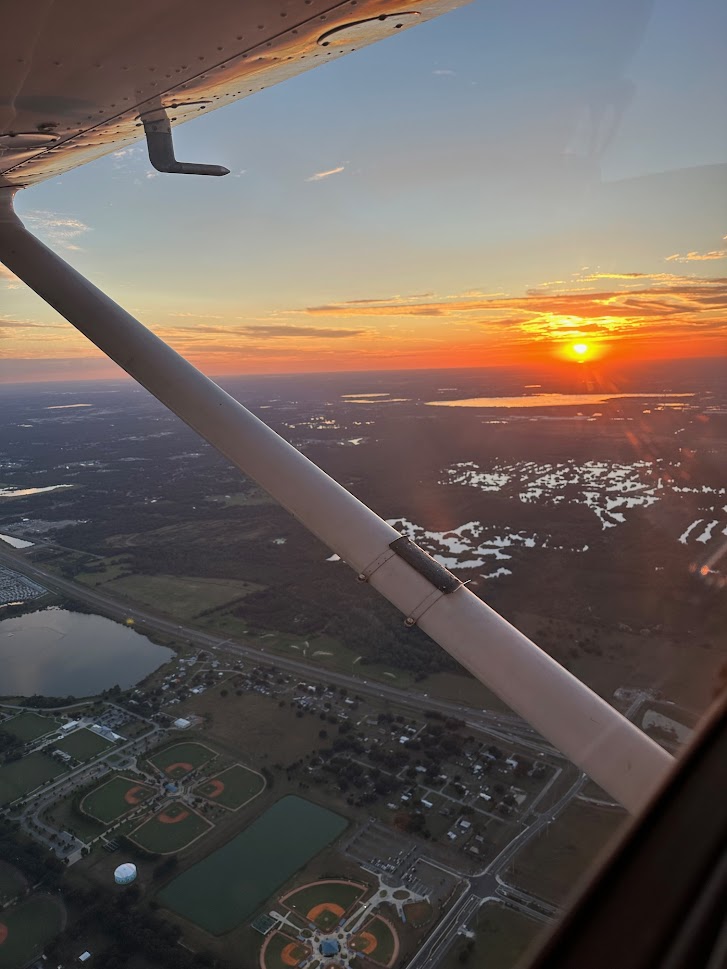
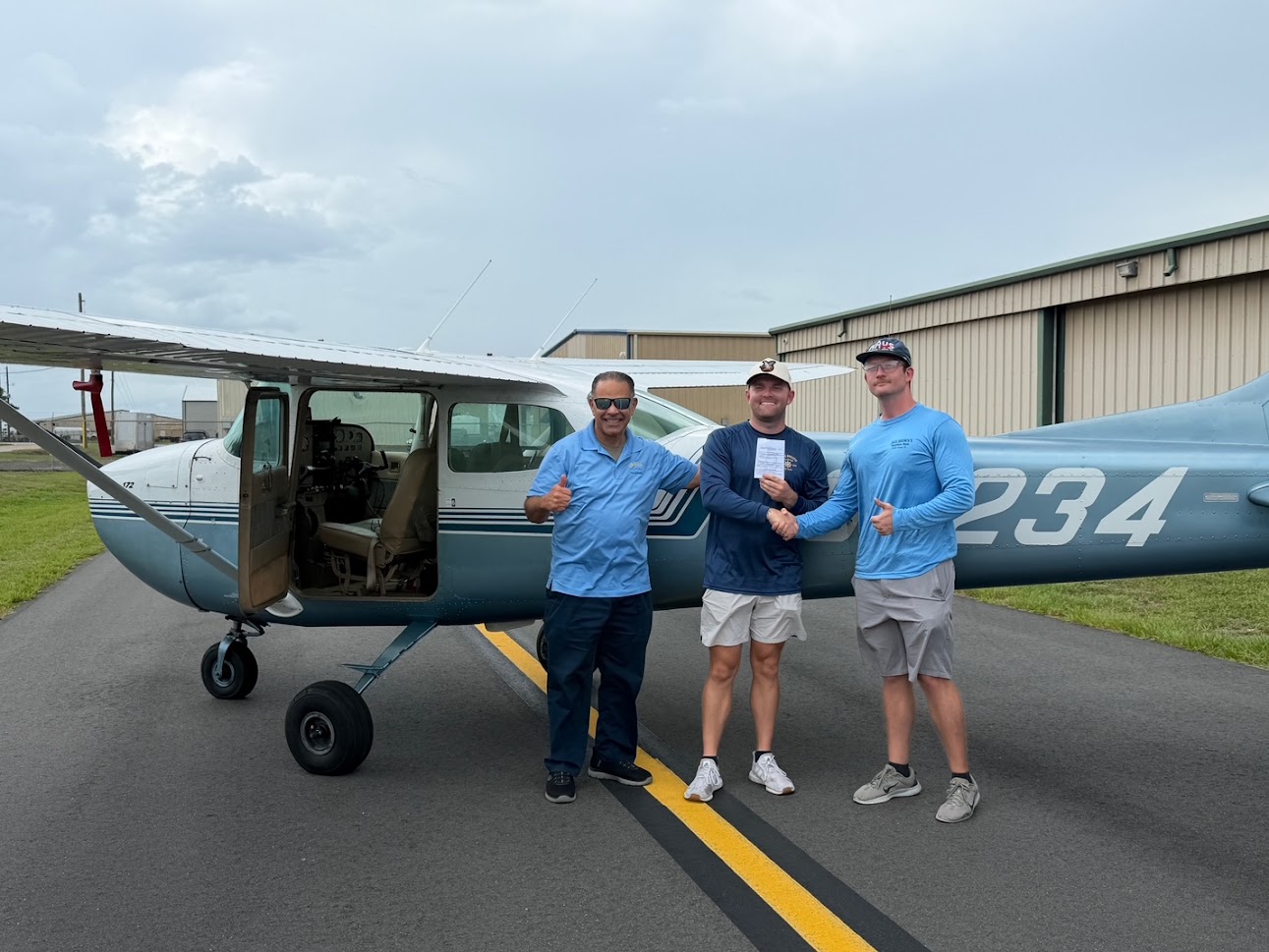
Everything you need to know about starting your aviation career at Fun Flight Training in Lakeland, Florida.
Learning to fly is an exciting adventure! While it takes commitment, practice, and a strong desire to learn, most people find it both doable and fun. Scheduling, weather, and decision-making can be a little tricky sometimes, but the experience is very rewarding, and you’ll get lots of help along the way.
No, FAA certificates do not require a degree. However, airlines often prefer or require one for hiring.
Private Pilot is great for recreation; additional ratings like Instrument and Commercial open career paths.
Solo typically comes after 10–20 hours of dual instruction, once your instructor endorses you and you pass a pre-solo knowledge test. Your first solo flight is a huge milestone, usually taking place right around the airport traffic pattern.
There is no strict daily flight time limit for students receiving dual instruction or flying solo. The main focus is on safety, managing fatigue, and staying fit. Most lessons last 1 to 3 hours to help avoid tiredness.
FAA minimum is 40 hours, but the national average is 60–80 hours. Most part-time students earn their certificate in 3 to 6 months, flying once or twice a week. Accelerated programs can get you there even faster.
Yes, ground training or book work is an important part of Private Pilot training. Learning this material is essential for earning your Private Pilot License.
Yes, you can train every day, as long as the weather cooperates.
Flight lessons are always one-on-one, so you get personal attention. Sometimes ground school classes are offered in small groups.
If you work well with your instructor, you will usually stay together. For stage checks, another instructor or chief pilot may check your progress.
Your first lesson includes a preflight briefing, basic maneuvers and supervised control of the aircraft. Wear comfortable clothes and bring sunglasses.
Weather, night flying and cross-country flights are all required parts of Private Pilot training.
Ground school covers regulations, aerodynamics, weather, navigation, and more. FAA handbooks and study materials help prepare you.
You can start flying lessons at almost any age. For a Student Pilot Certificate, you must be at least 16 years old and able to read, speak and understand English. Private Pilot Certificate requires at least 17 years old with required medical certification.
At Fun Flight Training, aircraft rental with fuel included is $145 and flight instructor cost is $55. Students may begin training from approximately $8,750 depending on FAA requirements and training progress. Most Private Pilot Certificates nationally range between $10,000 and $20,000 depending on location and learning pace.
Accelerated training programs are available. Staying consistent with lessons and weather conditions plays an important role in completing training faster.
You need to be proficient in English to obtain a U.S. FAA Private Pilot Certificate. You must be able to read, speak, write and understand English sufficiently for safe flight operations and communication with Air Traffic Control.
Yes, most Private Pilot students need a third-class FAA medical certificate from an Aviation Medical Examiner before solo flight. You can begin dual lessons before receiving it, but getting it early is recommended.
Consult an Aviation Medical Examiner early. Many conditions may be manageable with proper evaluation or waivers. Each case is reviewed individually.
Learning to fly is an exciting adventure! While it takes commitment, practice, and a strong desire to learn, most people find it both doable and fun. Scheduling, weather, and decision-making can be a little tricky sometimes, but the experience is very rewarding, and you’ll get lots of help along the way.
No, FAA certificates do not require a degree. However, airlines often prefer or require one for hiring.
Private Pilot is great for recreation; additional ratings like Instrument and Commercial open career paths.
Solo typically comes after 10–20 hours of dual instruction, once your instructor endorses you and you pass a pre-solo knowledge test. Your first solo flight is a huge milestone, usually taking place right around the airport traffic pattern.
There is no strict daily flight time limit for students receiving dual instruction or flying solo. The main focus is on safety, managing fatigue, and staying fit. Most lessons last 1 to 3 hours to help avoid tiredness.
FAA minimum is 40 hours, but the national average is 60–80 hours. Most part-time students earn their certificate in 3 to 6 months, flying once or twice a week. Accelerated programs can get you there even faster.
Yes, ground training or book work is an important part of Private Pilot training. Learning this material is essential for earning your Private Pilot License.
Yes, you can train every day, as long as the weather cooperates.
Flight lessons are always one-on-one, so you get personal attention. Sometimes ground school classes are offered in small groups.
If you work well with your instructor, you will usually stay together. For stage checks, another instructor or chief pilot may check your progress.
Your first lesson includes a preflight briefing, basic maneuvers and supervised control of the aircraft. Wear comfortable clothes and bring sunglasses.
Weather, night flying and cross-country flights are all required parts of Private Pilot training.
Ground school covers regulations, aerodynamics, weather, navigation, and more. FAA handbooks and study materials help prepare you.
You can start flying lessons at almost any age. For a Student Pilot Certificate, you must be at least 16 years old and able to read, speak and understand English. Private Pilot Certificate requires at least 17 years old with required medical certification.
At Fun Flight Training, aircraft rental with fuel included is $145 and flight instructor cost is $55. Students may begin training from approximately $8,750 depending on FAA requirements and training progress. Most Private Pilot Certificates nationally range between $10,000 and $20,000 depending on location and learning pace.
Accelerated training programs are available. Staying consistent with lessons and weather conditions plays an important role in completing training faster.
You need to be proficient in English to obtain a U.S. FAA Private Pilot Certificate. You must be able to read, speak, write and understand English sufficiently for safe flight operations and communication with Air Traffic Control.
Yes, most Private Pilot students need a third-class FAA medical certificate from an Aviation Medical Examiner before solo flight. You can begin dual lessons before receiving it, but getting it early is recommended.
Consult an Aviation Medical Examiner early. Many conditions may be manageable with proper evaluation or waivers. Each case is reviewed individually.